
 es
 English
 Español
 русский
 عربى

ABS Edge Banding: A Practical Guide to Grades, Surfaces and Adhesion Control
Contenido
Walk along any furniture production line and you can tell a lot about a plant from the edge of a panel. ABS edge banding has quietly become the band many workshops reach for when a board has to look finished for years rather than just for the shipping photo. It is a thermoplastic strip made from acrylonitrile butadiene styrene, and it behaves differently from PVC in ways you can feel on the machine and see on the showroom floor.
This guide covers what ABS really is, how it stacks up against the alternatives, which surfaces deserve shelf space, and where adhesion problems usually begin. It is written from the shop-floor side of the conversation, because that is where edge banding succeeds or fails.
What ABS Edge Banding Actually Is
ABS is a terpolymer of three components, and each one earns its place. Acrylonitrile contributes hardness and chemical resistance, butadiene supplies toughness, and styrene brings gloss and easy processing. The important detail for furniture makers is that ABS is formulated without plasticizers, which is where a good deal of its long-term behavior comes from.
- Color stability: whites and pale tones tend to hold their shade longer, which matters on light kitchen fronts.
- Low shrinkage: bands stay close to the board over time, so trim lines do not open up.
- Impact strength: corners survive transport and assembly better, an advantage on thick door edges.
- Heat behavior: ABS keeps its shape at service temperatures that would soften a plasticized PVC band.
- No plasticizer migration: less risk of sticky edges or contamination of adjacent panel surfaces.
The trade-off is cost and, in some formulations, a slightly softer surface that can scuff if the panel is handled carelessly. Sharp tooling and a clean trim make a real difference here.
ABS Against PVC and PP: Choosing with Your Eyes Open
None of these materials is universally better. The right pick depends on where the panel is going, how thick the edge is, and how much of the retail price is edge banding.
| Property | ABS | PVC | PP |
|---|---|---|---|
| Base chemistry | Styrene terpolymer, no plasticizer | Vinyl polymer with plasticizers | Polypropylene |
| Heat behavior | Holds shape at higher service temperatures | Softens earlier in warm conditions | Moderate |
| Edge toughness | Strong; resists corner chipping | Good in rigid grades | Good, with flexible variants |
| Color stability | Generally strong in whites and pastels | Can shift over time in some grades | Good |
| Finish range | Matte through high gloss, plus soft touch | Widest range at the lowest cost | Mostly matte-leaning |
| Relative cost | Higher | Lower | Middle |
A practical rule of thumb: put ABS where the panel is visible, handled often, or sold as premium. Keep PVC for volume work where cost drives the decision, and reserve PP for applications that need its particular chemical resistance.
Surface Options That Decide the Look
The surface is what the customer actually touches, so it deserves as much attention as the material callout on the spec sheet.
Solid Colors
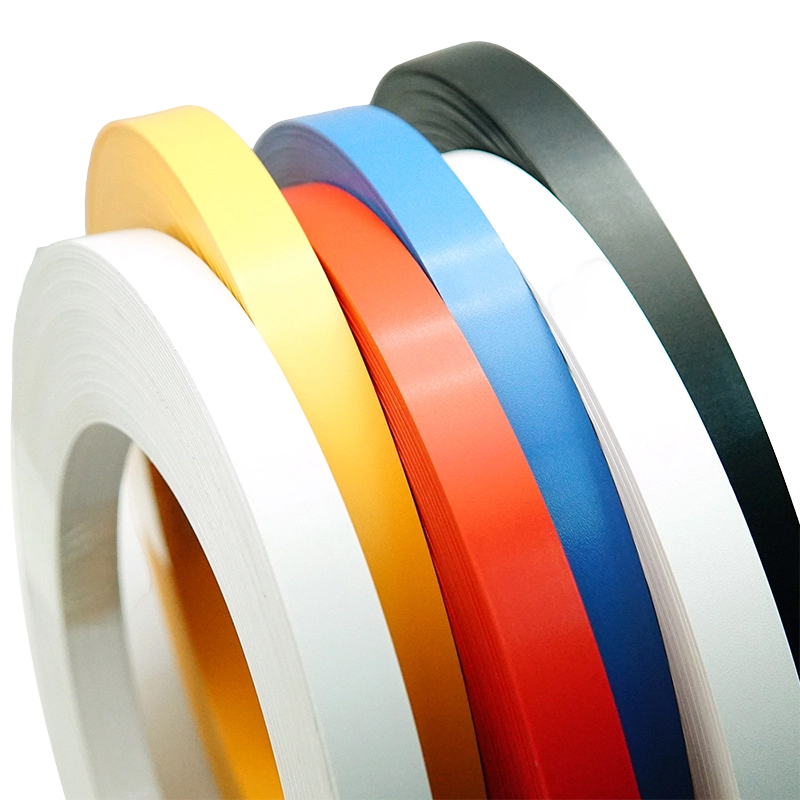
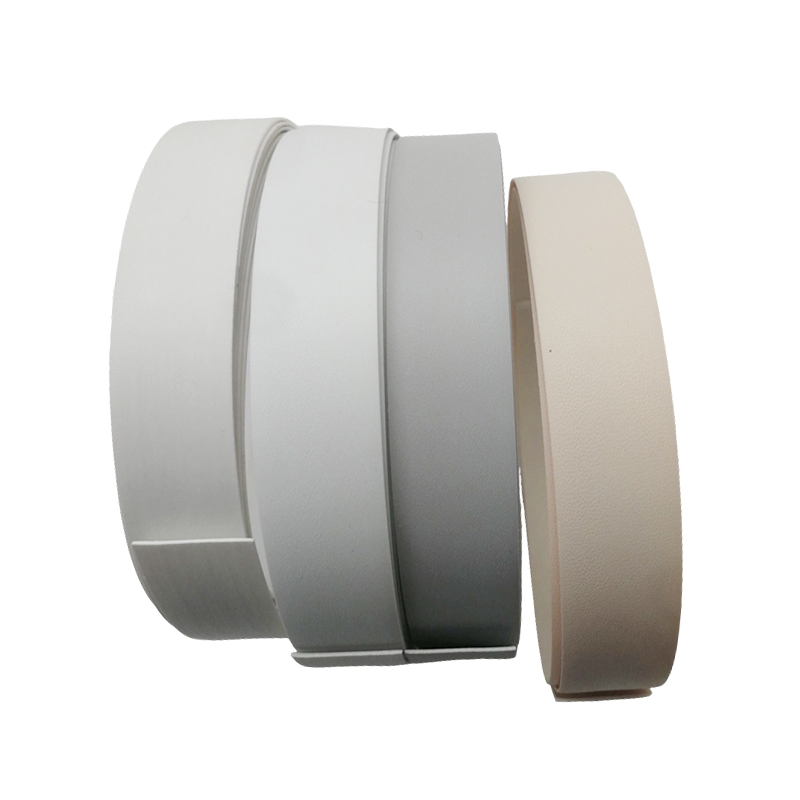
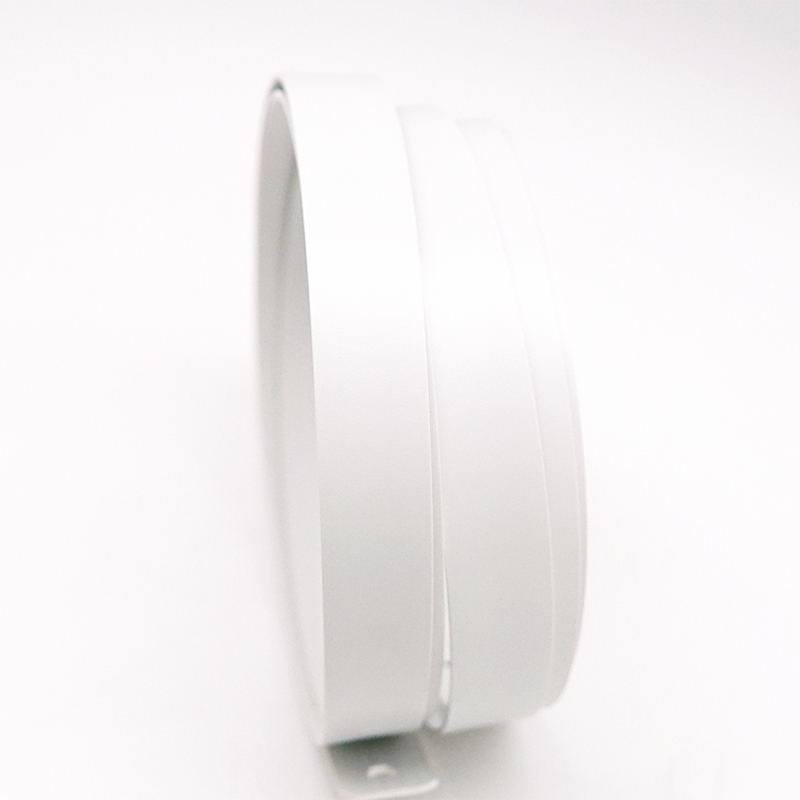
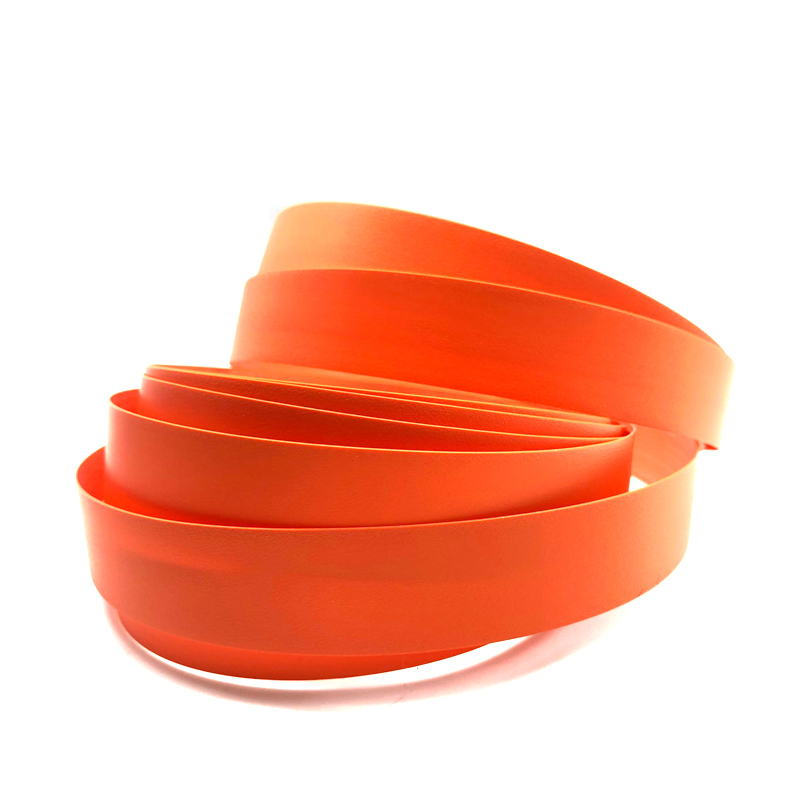
Through-colored ABS gives a clean, even edge with no pattern to align. Matte and satin finishes suit contemporary ranges, and because the color runs through the strip, sanding or trimming does not expose a lighter core.
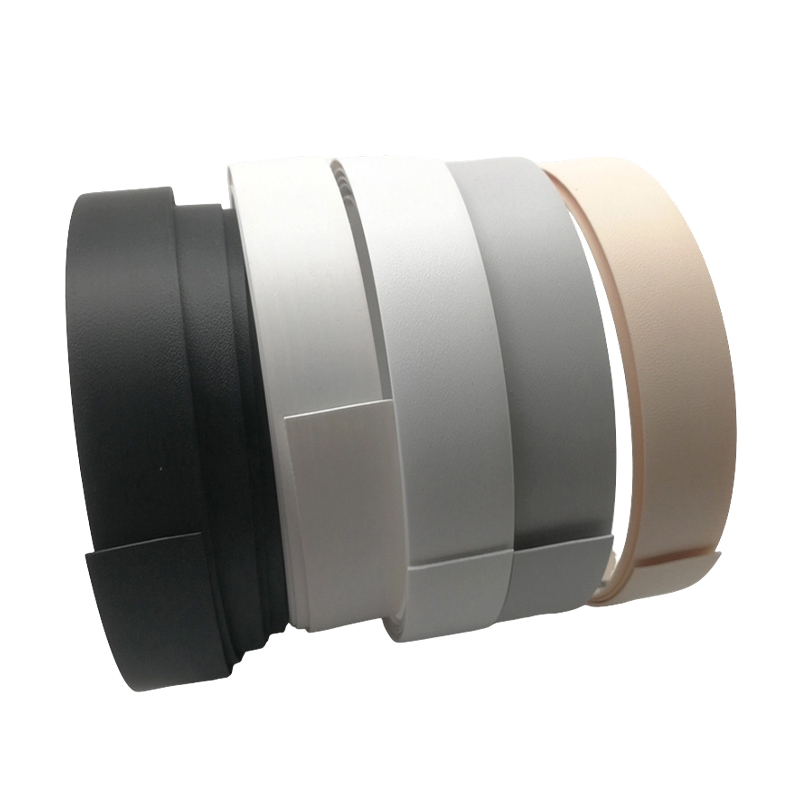 Solid Color ABS Edge Banding for Premium Furniture PanelsThrough-colored solid ABS edging for premium furniture panels, with custom color matching and matte, satin or gloss surfaces for clean contemporary edges.View Product →
High Gloss
Gloss ABS pairs naturally with acrylic, UV and PET panels. It is unforgiving, though: every scratch and every trim mark shows under showroom lighting, so keep the cutter sharp and the pressure rollers clean.
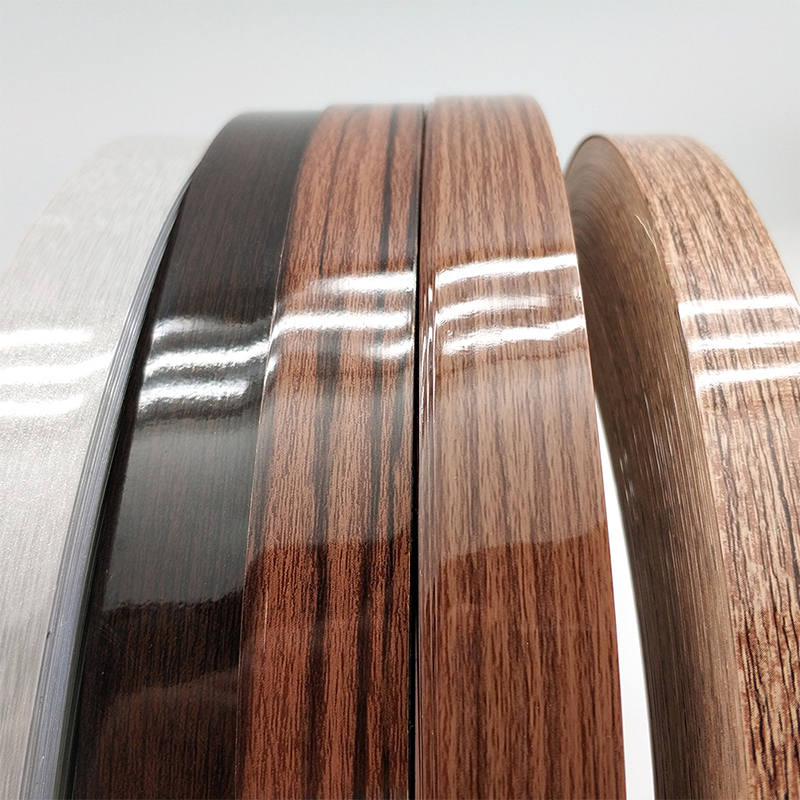 High Gloss ABS Edge Banding for Luxury Furniture PanelsReflective high-gloss ABS edge banding for luxury cabinets and wardrobes, with custom color matching and impact-resistant construction for premium furniture panels.View Product →
Soft Touch
Super-matte, anti-fingerprint ABS has become the standard answer for handleless kitchen fronts. The texture hides handling marks well, but it also holds dust, so a quick wipe with a dry cloth at final inspection is worth building into the routine.
 Anti-Fingerprint Soft Touch ABS Edge Banding for Modern KitchensSoft-touch anti-fingerprint ABS edging for modern kitchen cabinets and wardrobes, offering an easy-clean matte surface and custom color matching for frequently touched fronts.View Product →
Wood Grain
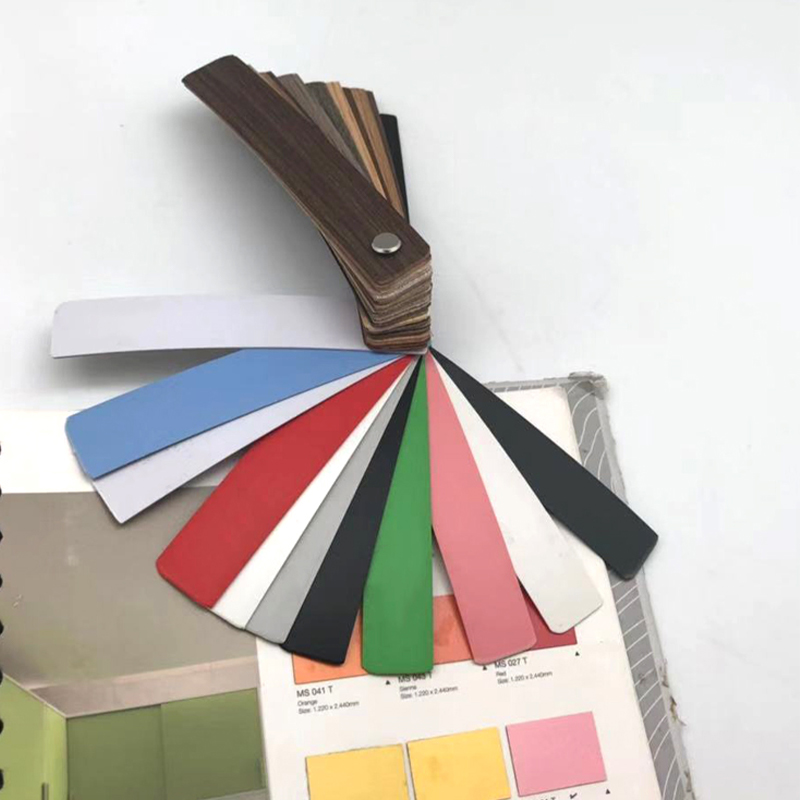
Embossed grain ABS only works when the texture and tone genuinely follow the board decor. Ask for a sample against the actual melamine or veneer, not against a printed color card.
Matching Thickness, Width and Machine Settings
Most ABS ranges run from around 1 mm up to 22 mm, with 3 mm a common choice for door edges and thinner bands used on carcass panels. The band should be slightly wider than the panel thickness so the trim station has material to remove on both faces.
- Match band thickness to the visual weight you want, not just to the board.
- Allow roughly 1 to 2 mm of overhang for trimming and radius scraping.
- Recheck feed rate and temperature when switching from PVC to ABS, since the two melt and trim differently.
- Test on offcuts before a production run, especially on curved or radiused edges.
If you want a more detailed walkthrough, this guide to choosing and applying ABS edge banding covers the machine-level settings in more depth.
Adhesion: Where Good Edging Quietly Fails
Most complaints about edge banding are really complaints about the glue line. ABS is not difficult to bond, but it does punish sloppy setup. Pre-glued bands simplify small runs and repair work, while non-glued material fed through an automatic line gives better control over the adhesive layer.
- Keep board edges free of dust, oil and moisture before the glue pot.
- Match the hot melt to the band; EVA grades are commonly used with both PVC and ABS.
- Verify glue pot temperature and roller pressure at the start of each shift, not once a month.
- Store coils in a stable, dry space so the band does not pick up moisture or flatten unevenly.
If edges are lifting at the ends or showing a visible glue line, the cause is usually temperature, pressure or feed speed rather than the strip itself.
What to Ask a Supplier Before You Commit
Consistency between batches is worth more than a slightly lower price per meter. Ask how color is controlled, how embossing depth is maintained, and what happens when you need a shade that is not in the catalog.
On the color side, a proper color matching service should work from your actual panel sample rather than a screen image, and it should tell you honestly when a match is close but not exact. That kind of straight answer saves a lot of rework later.
It also helps to know who you are buying from. Suntung has been producing edge banding and furniture surface materials since 2005 from a 21,500 square meter factory, working across PVC, ABS, acrylic, melamine, veneer and PET metallic effects, along with the hot melt adhesives and PVC profiles that go with them. That breadth matters when a single order needs the band, the glue and the matching profile to arrive together.
ABS edge banding is not the cheapest option on the shelf, and it is not meant to be. It is the choice that keeps a visible edge looking deliberate after a few years of cleaning, knocks and kitchen steam. Start with the application, match the surface to the board, get the glue line right, and the material will do the rest.
Buscar
Categorías
Publicaciones recientes
Productos recomendados
-
Tapacantos de PVC de alto brillo prepegadas para paneles de muebles decorativos
-
Tapacantos de PVC de alto brillo prepegadas para gabinetes de cocina
-
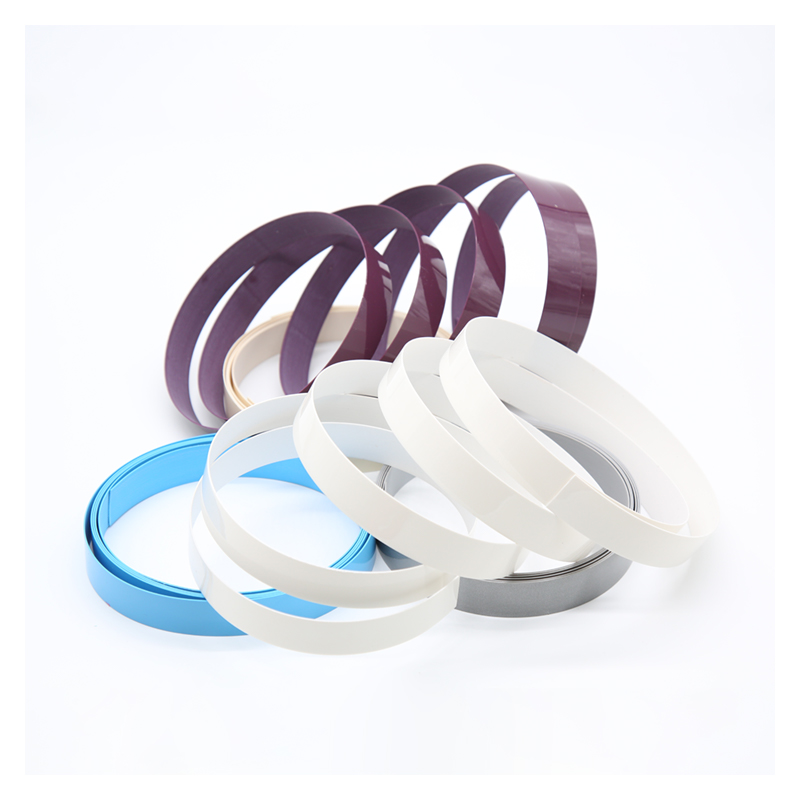
Tapacantos de PVC de alto brillo blanco prepegadas para diseño de muebles de lujo
-
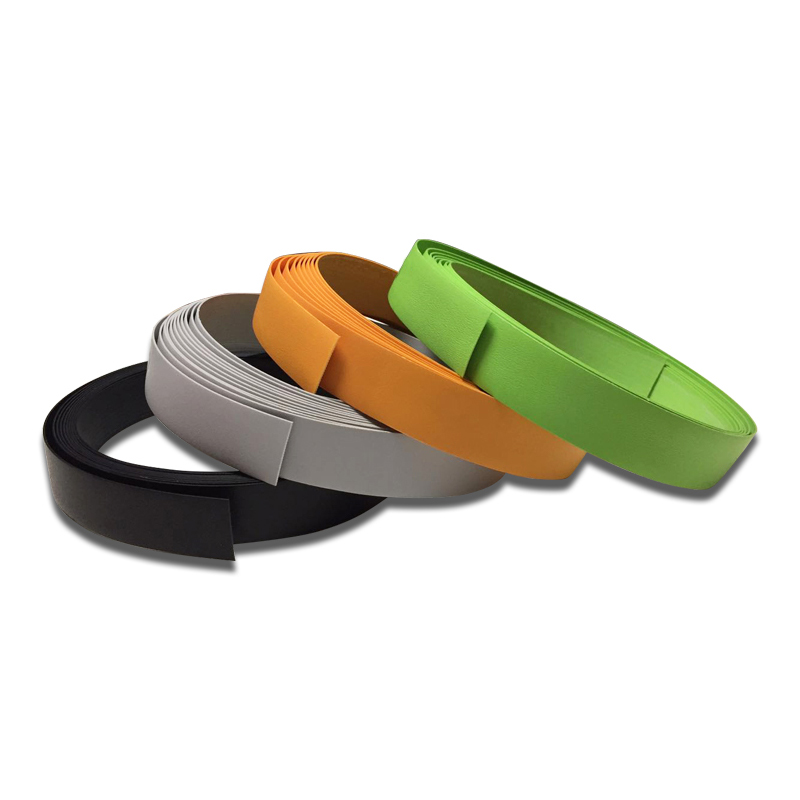
Tapacantos de PVC de tacto suave prepegadas con superficie táctil de alta calidad
-
Tapacantos de PVC antihuellas prepegadas para muebles de cocina modernos
-
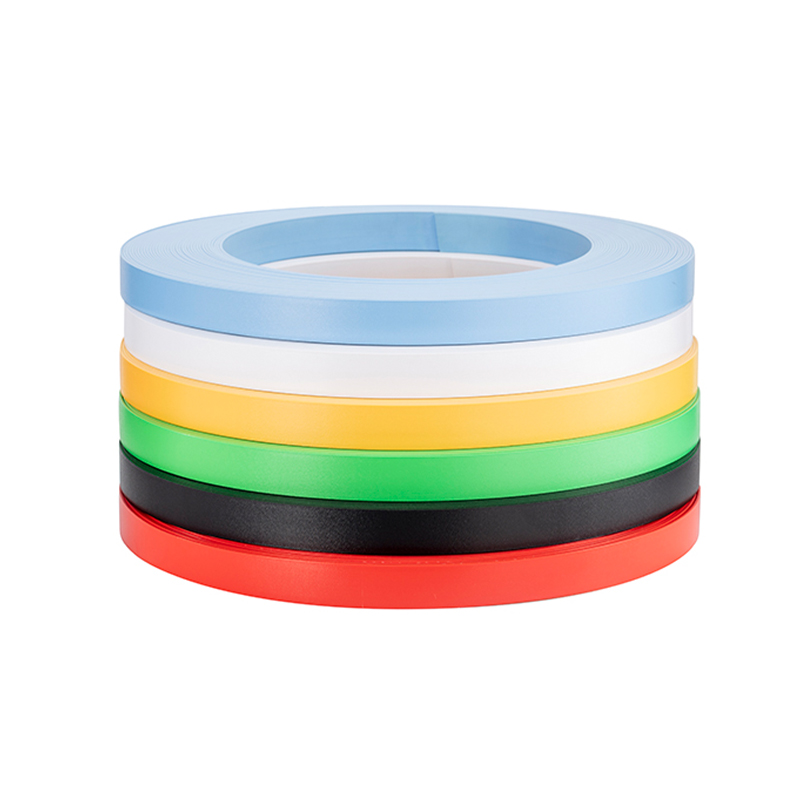
Tapacantos de PVC súper mate prepegadas para aplicaciones de muebles premium
-
Tapacantos ABS de color sólido para paneles de muebles de primera calidad
-
Tapacantos ABS de color sólido blanco para muebles modernos
-
Tapacantos ABS de color sólido mate para diseño de muebles contemporáneos
-
Tapacantos flexibles de borde ABS de color sólido para aplicaciones de muebles
-
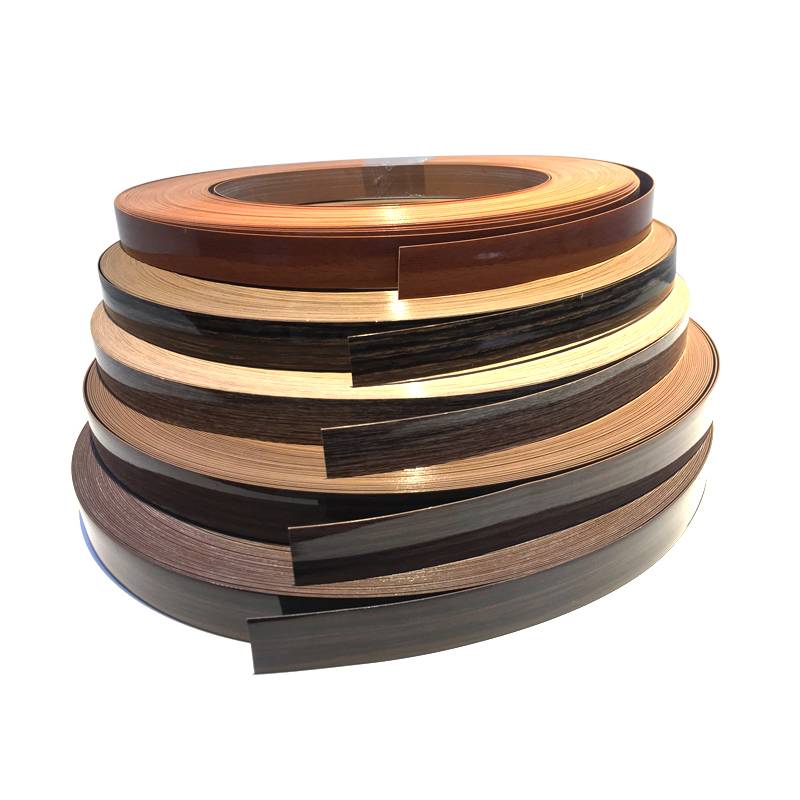
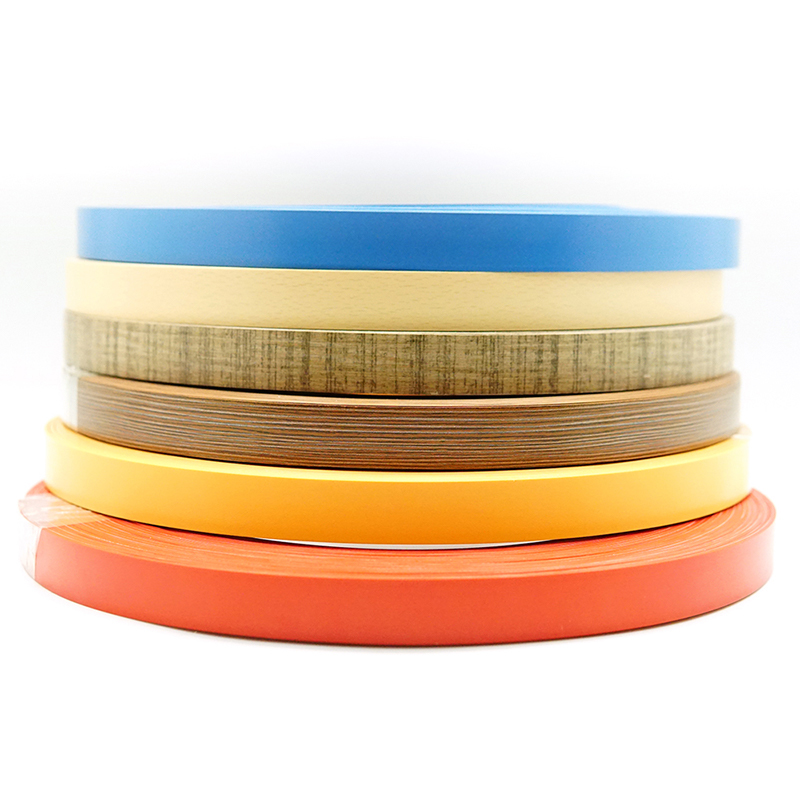
Tapacantos ABS de grano de madera para muebles de alta gama
-
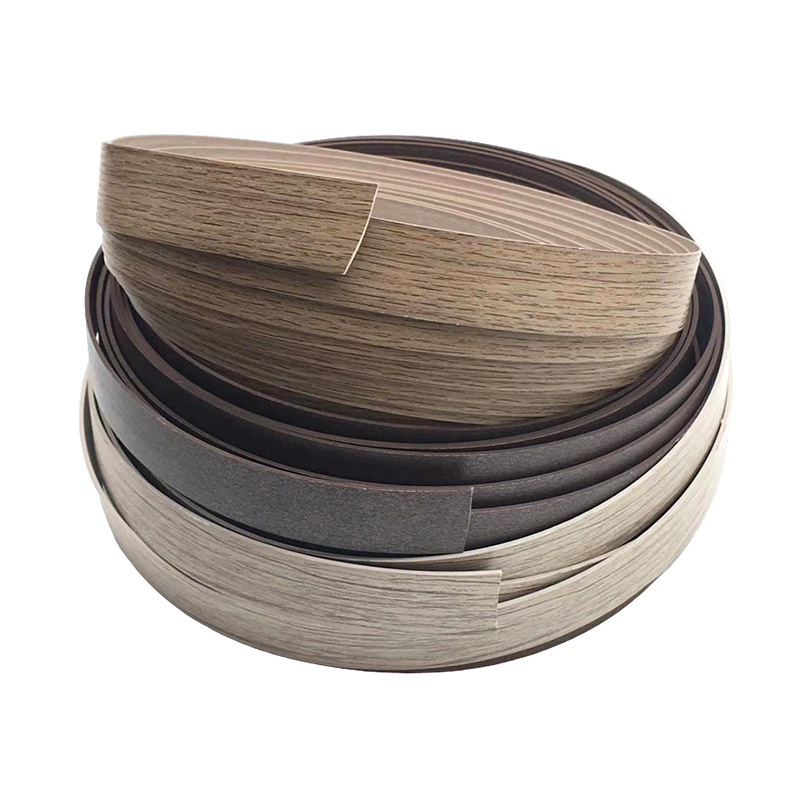
Tapacantos ABS con textura de madera en relieve y efecto de superficie realista
SUNTUNG
GRUPO
Acerca de nosotros
Lista de productos
Información de contacto
-
 Tel.+86 150 0088 0641
-
 Whatsapp
-
 Correo electrónicojoyce@suntunggroup.com
-
 Dirección de la oficina centralB-1218, No. 99 Avenida Fengpu, Distrito de Fengxian, Ciudad de Shanghái, China
Obtenga una cotización gratuita
Derechos de autor © 2026 Shanghai Suntung Industry Co., Ltd. Todos los derechos reservados.
